When it comes to commercial vehicles, safety inspections are not just regulatory requirements; they are vital for ensuring the safety of drivers, passengers, and the community. In Whitehouse, Texas, understanding the nuances of vehicle safety inspections is essential for fleet managers and individual operators alike. This article will delve into various aspects of commercial vehicle safety inspections, including what the process entails, common areas of focus during inspections, and how to ensure compliance with state regulations.
The Importance of Safety Inspections
The significance of regular safety inspections cannot be overstated. They serve as a proactive measure against potential mechanical failures that could lead to accidents. For instance, a well-maintained brake system can mean the difference between a near-miss and a serious collision. Regular inspections help identify wear and tear before they become critical issues. Moreover, in Texas, compliance with state inspection regulations ensures that vehicles are roadworthy and meet safety standards.
In Whitehouse, local businesses rely heavily on their fleets for transportation and logistics. A single breakdown can disrupt operations significantly, leading to delays and increased costs. Therefore, investing time in routine safety inspections is not just about adhering to laws; it's also about maintaining operational efficiency.
Understanding State Regulations
Texas has specific guidelines regarding vehicle inspections that every commercial driver should be aware of. All commercial vehicles must undergo an annual inspection to verify compliance with state standards. This includes checking essential systems like brakes, steering, suspension, lights, and emissions controls.
The Texas Department of Public Safety (DPS) oversees these inspections through licensed inspection stations throughout the state. In Whitehouse, you will find several certified facilities equipped to conduct thorough assessments of your vehicle’s safety features.
Key Areas Covered in Inspections
During a commercial vehicle safety inspection in Whitehouse or anywhere in Texas, inspectors typically focus on several critical components:
Brake System: Inspectors assess brake functionality and alignment. Poor brakes can lead to catastrophic failures. Suspension: A compromised suspension system affects handling and stability. Tires: Inspectors evaluate tread depth and tire pressure; both factors significantly impact traction. Steering Mechanism: Proper steering control is vital for safe navigation. Lighting Systems: Headlights must function correctly to ensure visibility at night or in adverse weather conditions.Each area plays a crucial role in overall vehicle performance and driver safety.
Choosing the Right Inspection Station
Selecting an appropriate inspection station can make a significant difference in the quality of service you receive. In Whitehouse, look for an official inspection station with ASE-certified inspectors who have extensive experience evaluating commercial vehicles.
A reputable inspection shop will not only conduct thorough checks but also provide clear documentation detailing any issues found during the assessment. This transparency can help you prioritize repairs effectively without incurring unnecessary costs.
Factors to Consider When Selecting an Inspection Station
When looking for a reliable inspection station in Whitehouse, consider these factors:
- Certification: Ensure that the facility is officially recognized by the Texas Department of Public Safety. Experience: Look for shops with technicians who specialize in commercial vehicle inspections. Customer Reviews: Positive feedback from previous customers can indicate quality service. Turnaround Time: Ask about estimated wait times if you require a same-day inspection. Cost Transparency: A good shop should provide upfront pricing without hidden fees.
Preparing for Your Inspection
Preparation can streamline your inspection process significantly. Before taking your vehicle for its annual check-up or any pre-trip assessment, ensure that all necessary documents are readily available:
- Proof of insurance Vehicle registration Previous inspection reports (if applicable)
Additionally, conducting a preliminary self-inspection can help identify obvious issues that need addressing before arriving at the shop.
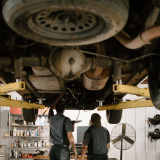
Conducting a Pre-inspection Checklist
While professionals will perform comprehensive checks during official inspections, there are basic steps you can take beforehand:
Examine tire condition - Look for visible wear patterns or low pressure. Check fluid levels - Ensure oil, coolant, brake fluid, and transmission fluid are at appropriate levels. Test lights - Confirm that all headlights and turn signals work correctly. Inspect belts and hoses - Look for signs of fraying or leaks which could indicate impending failure. Review brakes - Listen for unusual noises when applying brakes during short test drives.These preliminary checks can save time during your formal inspection while also promoting road safety.
Understanding Inspection Outcomes
After your vehicle passes its safety inspection in Whitehouse or any other Texas location, you will receive an official sticker indicating compliance Visit website with state regulations. However, if your vehicle fails the inspection due to identified issues—such as brake failure or faulty emissions systems—you will receive documentation outlining necessary repairs before re-inspection occurs.
It's important to address any noted deficiencies promptly; driving with unresolved issues could lead not only to legal penalties but also increase risks on the road.
Common Reasons Vehicles Fail Inspections
Several areas frequently lead to failures during commercial vehicle safety inspections:
Braking Issues: Faulty brake pads or hydraulic problems often result in immediate disqualification. Tire Deficiencies: Worn-out tires pose serious hazards and usually necessitate replacement prior to passing inspections. Emissions Non-compliance: Failing emissions tests can prevent passing altogether until repairs are made. Lighting Failures: Non-functioning lights compromise nighttime visibility; thus they must be rectified swiftly. Structural Defects: Any visible damage affecting structural integrity may lead to automatic failure due to heightened risk factors.Awareness of these common pitfalls enables drivers and fleet managers alike to take preventative measures ahead of time.
The Role of Technology
Advancements in technology have positively impacted how we approach vehicle maintenance and inspections today compared to years past. Many modern fleets use telematics systems that monitor various aspects of their vehicles’ performance continuously—providing real-time data about engine health or tire pressure directly accessible via mobile devices.
This technology allows operators not only immediate awareness but also predictive maintenance capabilities that help avoid costly breakdowns down the line by addressing issues proactively rather than reactively after they occur.
Benefits Gained from Technological Integration
Using technological tools enhances operational efficiency through several means:
- Real-time monitoring reduces downtime by predicting when services may be needed based on actual usage patterns instead of arbitrary schedules alone. Historical data analysis helps identify recurrent problems across different vehicles within fleets—allowing administrators insights into systemic issues requiring attention before they escalate further down their operational lifecycle. Improved accountability among staff members responsible for checking equipment integrity leads towards fostering a culture focused around maintaining high-quality standards consistently across all driving environments encountered daily by these workers out on roads everywhere around town!
Final Thoughts on Compliance
Regularly scheduled commercial vehicle safety inspections play an indispensable role within both individual owner/operator enterprises as well as larger fleet management operations throughout regions like Whitehouse TX! By understanding local regulations thoroughly alongside best practices established within industry standards long-standing experience informs sound decisions when selecting suitable service providers along this journey through compliance requirements necessary moving forward!
With diligence applied towards ongoing maintenance efforts combined with vigilant adherence toward regulatory expectations set forth by governing bodies overseeing our roads today—we ensure safe travel experiences enjoyed across communities everywhere we go!